How do you book a BRRRR refinance without wrecking your books?
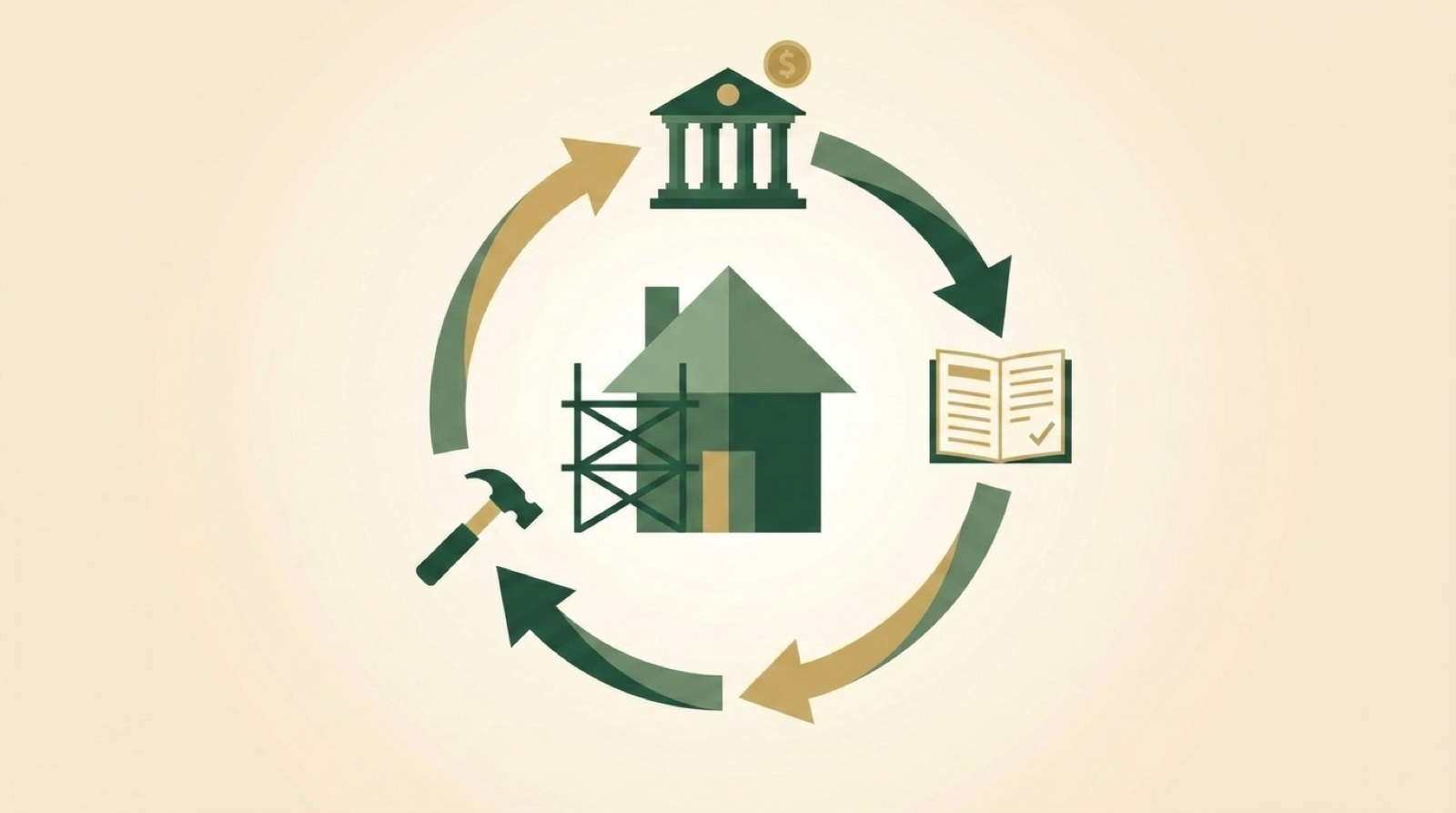
BRRRR — buy, rehab, rent, refinance, repeat — is a bookkeeping gauntlet, and the refinance step is where most sets of books quietly fall apart. The three classic wrecks: cash-out proceeds booked as income (creating phantom taxable revenue), rehab dollars expensed as repairs (understating basis and overstating losses), and the original loan left sitting on the balance sheet next to its replacement (doubling your reported debt). Here's the clean sequence.
Get the rehab phase right first
Refi-day bookkeeping is only as clean as the rehab books beneath it. During the rehab, improvement costs are not repair expenses — they're capital, accumulating in a fixed-asset account (something like Building Improvements — 123 Main St), tagged to the property's class. Materials, contractors, permits, the big systems — all of it builds basis.
Two reasons this matters at refi time. The lender's appraisal will be weighed against what you have in the project, and "purchase plus improvements" should be a number your balance sheet produces on demand. And at sale, basis is what stands between you and overpaying capital gains tax.
Refi day: read the settlement statement, not the deposit
The wire that hits your account is the *leftover* of the transaction, not the transaction. Book from the settlement statement, which will show some version of:
- New loan principal — a new liability on the books at the full amount.
- Old loan payoff — the original acquisition loan's balance goes to zero, through the closing, without cash ever touching your account.
- Closing costs — points and lender fees generally amortize over the new loan's life; your CPA will want them in their own account, not buried in expenses.
- Cash to borrower — the famous BRRRR cash-out. On the books it's simply the remainder: new debt in, old debt retired, costs paid, difference wired to you.
Booked this way, the cash-out lands as exactly what it is — borrowed money. Not income, not a gain, not a distribution. Your P&L shouldn't move at all on refi day. If it did, something's misbooked.
After the refi: the details that keep it clean
The new loan needs its own amortization discipline — every payment split principal and interest, with the escrow portion tracked separately if the lender collects taxes and insurance. If the old loan had an escrow balance, the refund shows up weeks later; it clears against the old escrow asset, not income. And the old loan's account should show a zero balance and get closed out — a balance sheet carrying two loans on a one-loan property is the single fastest way to fail a lender's review on the next deal.
Why this matters more on the "repeat" step
BRRRR's whole premise is doing this again — and the next lender reads the books you're keeping now. A balance sheet where each property shows true basis, one live loan, and a P&L untouched by financing events is what makes underwriting fast. Books where refi proceeds look like revenue spikes and rehab looks like catastrophic repair years make every future loan slower and more expensive.
Money On The Mend keeps BRRRR investors' books deal-ready as a monthly discipline — basis built during rehab, refis booked from the settlement statement, every property standing on its own numbers.